
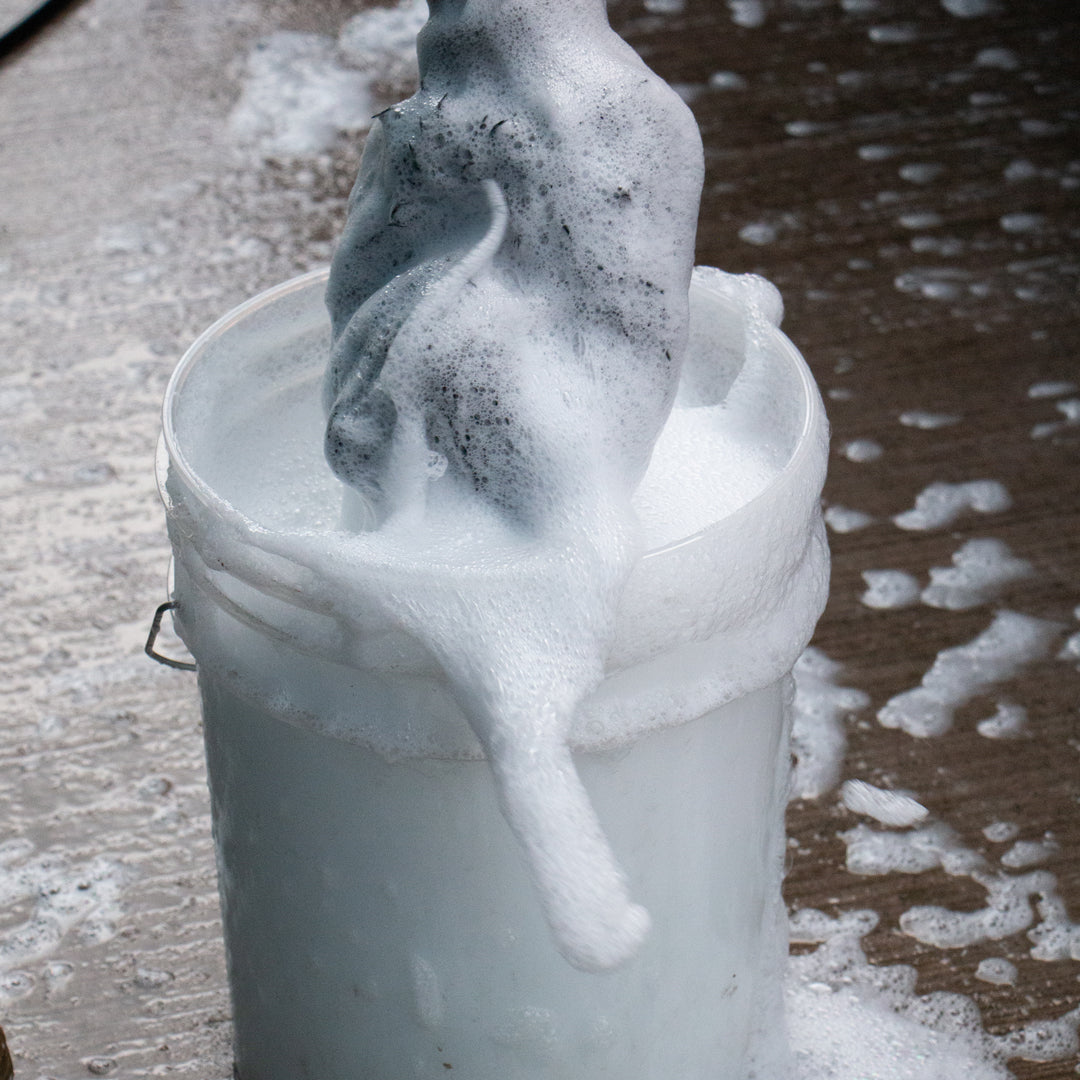
How to Wash a Car - The Correct Way : A Professional Guide to Safe, Scratch-Free Cleaning
A proper car wash is about far more than appearance. Done correctly, it helps preserve your vehicle’s paintwork, reduces the risk of swirl marks, and maintains the finish for longer. Done badly, even a simple wash can leave behind fine scratches that gradually dull the surface over time.
Professional detailers follow a careful process for one reason: modern automotive paint is more delicate than many drivers realise. Road grime, brake dust, and even ordinary dust particles can become abrasive when dragged across paintwork.
This guide explains how to wash a car properly using safe, proven methods that help protect the finish while delivering consistently better results.
Why Proper Car Washing Matters
Many common washing habits — particularly using a single bucket, old sponges, or household detergents — can damage a vehicle’s clear coat over time.
The most common issue is the appearance of swirl marks. These are fine scratches that become visible in direct sunlight and are usually caused by dirt being rubbed repeatedly across the paint surface during washing or drying.
Using the correct techniques significantly reduces that risk while helping to:
-
Preserve gloss and shine
-
Maintain protective waxes or sealants
-
Reduce paint contamination
-
Improve long-term paint condition
-
Keep the vehicle cleaner between washes
For anyone who values their car’s appearance, the washing process itself matters just as much as the products being used.
What You Need to Wash a Car Correctly
Before starting, it is worth using tools designed specifically for automotive finishes. Cheap or unsuitable materials often cause more harm than people expect.
Recommended Car Washing Equipment
For the safest results, you should use:
-
Two buckets
-
Car shampoo - Check this out - BCS Shampoo with Wax
-
Microfibre wash mitt
-
Grit guards
-
Hose or pressure washer
-
Dedicated wheel brushes
-
Large microfibre drying towels
Household washing-up liquid should generally be avoided. It is designed to remove grease aggressively and can strip protective products from automotive paintwork.
The Correct Way to Wash a Car
1. Wash the Vehicle Out of Direct Sunlight
Always begin in a shaded area whenever possible.
Direct sunlight heats the paintwork quickly, causing shampoo and water to dry before they can be rinsed away properly. This increases the likelihood of water spotting and streaking.
Ideally, the paint and wheels should feel cool to the touch before you begin.
2. Rinse the Car Thoroughly Before Contact Washing
One of the biggest mistakes people make is touching the paint too early.
Before using a wash mitt, rinse the vehicle thoroughly to remove loose dirt and debris. This initial rinse helps reduce the amount of abrasive contamination sitting on the surface.
Pay close attention to areas that collect heavier grime, including:
-
Lower door sections
-
Wheel arches
-
Front bumpers
-
Rear bumpers
-
Side skirts
Removing as much dirt as possible before physical contact is one of the simplest ways to reduce scratching.
3. Use the Two-Bucket Wash Method
The two-bucket method remains the industry standard for safe car washing.
The process is straightforward:
-
One bucket contains clean shampoo solution
-
The second bucket contains plain rinse water
After cleaning each section of the vehicle, rinse the wash mitt in the clean-water bucket before placing it back into the shampoo solution.
This prevents dirt from repeatedly circulating across the paintwork.
Where possible, grit guards should be placed at the bottom of both buckets to help trap debris beneath the water line.
Why the Two-Bucket Method Works
The purpose of the two-bucket system is simple: minimise paint contact with dirt particles.
Even small amounts of trapped grit can create fine scratches when pressure is applied during washing. Separating dirty rinse water from clean shampoo water dramatically reduces contamination transfer.
It is a simple process, but one that makes a noticeable difference to paint preservation over time.
4. Wash the Car From Top to Bottom
Always clean the least contaminated areas first.
The upper sections of the vehicle typically carry lighter dirt, while lower panels collect heavier road grime and debris.
A sensible washing order is:
-
Roof
-
Glass and windows
-
Bonnet and boot lid
-
Upper doors and panels
-
Lower doors
-
Sills and bumpers
Leaving the dirtiest sections until last reduces the chance of spreading heavier contamination across cleaner areas.
5. Avoid Circular Scrubbing Motions
Professional detailers generally recommend straight-line washing motions rather than aggressive circular scrubbing.
If debris becomes trapped within the wash mitt, circular movements can create more visible swirl patterns in the paint.
Instead:
-
Use light pressure
-
Allow the shampoo to lubricate the surface
-
Work slowly in straight passes
The goal is controlled cleaning, not aggressive scrubbing.
6. Clean Wheels Separately
Wheels should always be cleaned using separate tools from the paintwork.
Brake dust can contain abrasive metallic particles that should never be transferred onto body panels.
For best practice, use dedicated:
-
Wheel brushes
-
Buckets
-
Cloths
-
Drying towels
This significantly reduces cross-contamination during the wash process.
7. Rinse the Vehicle Properly
Once washing is complete, rinse the car thoroughly from top to bottom.
Any remaining shampoo residue can leave marks or interfere with drying. A slow, methodical rinse helps ensure the surface is completely clean before drying begins.
8. Dry the Car Using Microfibre Towels
Drying is often overlooked, yet it is one of the stages most likely to introduce scratches if rushed.
Allowing water to dry naturally can leave mineral deposits and water spotting behind, particularly in warmer conditions.
Instead, use a clean microfibre drying towel and gently guide it across the surface with minimal pressure.
Avoid:
-
Old bath towels
-
Chamois with trapped debris
-
Rough fabrics
High-quality microfibre materials are specifically designed to reduce friction against paintwork.
Common Car Washing Mistakes to Avoid
Using Household Detergents
Washing-up liquid may appear effective initially, but it is not formulated for automotive finishes and can remove wax protection prematurely.
Reusing Dirty Wash Water
Using a single bucket allows dirt to accumulate quickly, increasing the risk of scratches throughout the wash.
Washing in Strong Sunlight
Heat accelerates water evaporation and often leaves spotting behind before the vehicle can be dried correctly.
Using Old Sponges
Traditional sponges can trap grit against the paint surface. Microfibre wash mitts are generally considered safer because they lift contamination away from the paint more effectively.
How Often Should You Wash Your Car?
There is no universal schedule, as driving conditions vary considerably.
However, vehicles exposed regularly to:
-
Road salt
-
Tree sap
-
Bird droppings
-
Mud
-
Industrial fallout
benefit from more frequent washing, as these contaminants can affect paintwork if left on the surface for extended periods.
Regular maintenance washes are typically safer for the paint than allowing heavy contamination to build up over time.
Final Thoughts
Learning how to wash a car properly is ultimately about reducing unnecessary paint damage.
Using correct washing methods, quality tools, and a careful process helps maintain the finish while lowering the risk of scratches and swirl marks. The difference may not always be obvious immediately, but over months and years it becomes significant.
A well-maintained vehicle not only looks better — it also retains its finish more effectively over time.